.png)
TMS Therapy for Depression: A Breakthrough in Mental Health Care

Depression can feel like a heavy weight, making everyday tasks seem overwhelming. For many, traditional treatments like medication and talk therapy provide relief. However, some individuals find these methods insufficient or experience unwanted side effects. This is where Transcranial Magnetic Stimulation (TMS) therapy steps in as a promising alternative. At Alaska Treatment Center, we are committed to offering innovative solutions that support mental wellness. Let’s explore how TMS therapy for depression is changing lives and why it might be the right option for you.
Understanding TMS Therapy for Depression
TMS therapy is a non-invasive procedure that uses magnetic fields to stimulate nerve cells in the brain. Specifically, it targets areas involved in mood regulation, such as the prefrontal cortex. By activating these regions, TMS can help improve symptoms of depression, especially in cases where other treatments have not been effective.
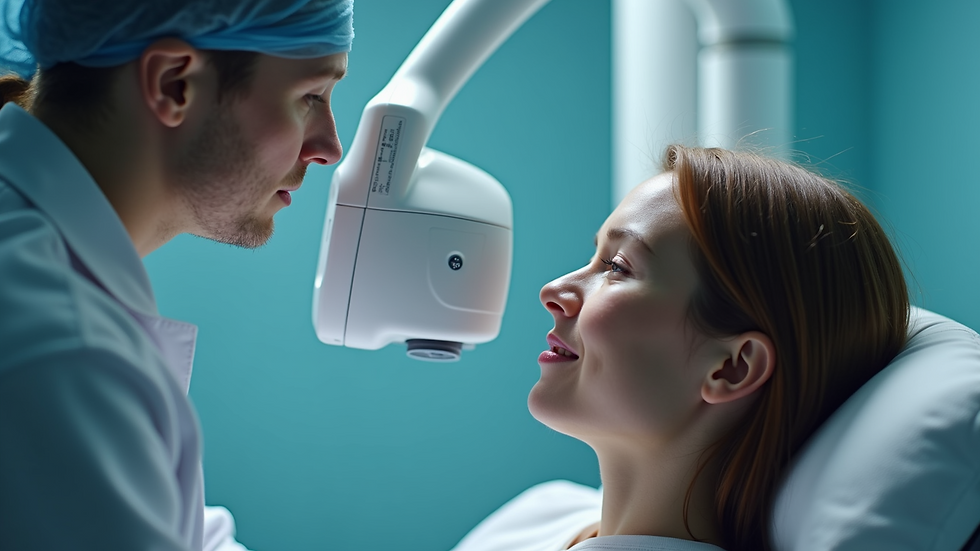
The process involves placing a magnetic coil against the scalp. This coil generates brief magnetic pulses that pass through the skull and influence brain activity. Unlike medications, TMS does not involve systemic side effects because it works locally on the brain. Sessions typically last about 30 to 40 minutes and are conducted daily over several weeks.
One of the key benefits of TMS therapy is its safety profile. It is FDA-approved and has been extensively studied, showing minimal risks and good tolerability. Patients often report feeling relaxed during the treatment, and many notice improvements after just a few sessions.
How TMS Therapy Works: A Closer Look
To understand why TMS therapy is effective, it helps to know a bit about brain function in depression. Depression is linked to reduced activity in certain brain areas responsible for mood and motivation. TMS therapy aims to "wake up" these underactive regions.
The magnetic pulses generated by the TMS device induce small electrical currents in the brain. These currents encourage neurons to fire more regularly, which can restore normal brain function over time. This stimulation promotes the release of neurotransmitters like serotonin and dopamine, which play crucial roles in mood regulation.
Treatment plans are personalized. A healthcare provider will determine the exact location on the scalp to place the coil and adjust the intensity of the magnetic pulses. This customization helps maximize the therapy’s effectiveness.
Patients usually undergo 20 to 30 sessions, five days a week. Each session is painless and does not require anesthesia. After completing the course, many individuals experience significant relief from depressive symptoms, with some achieving full remission.
Who Can Benefit from TMS Therapy?
TMS therapy is especially valuable for individuals who have not responded well to antidepressant medications or who cannot tolerate their side effects. It is also an option for those seeking a non-drug approach to managing depression.
People with moderate to severe depression, including those with treatment-resistant depression, may find TMS particularly helpful. It is important to note that TMS is not suitable for everyone. For example, individuals with certain types of metal implants in or near the head, or those with a history of seizures, may not be candidates.
Before starting TMS therapy, a thorough evaluation by a mental health professional is essential. This assessment ensures that the treatment plan is safe and tailored to the individual’s needs.
If you are exploring options, discussing TMS therapy with your healthcare provider can provide clarity. They can help determine if this innovative treatment aligns with your health goals.

What to Expect During TMS Therapy Sessions
Starting TMS therapy can feel like stepping into new territory. Knowing what to expect can ease any concerns and help you feel more comfortable.
Each session begins with the patient seated comfortably in a chair. The technician positions the magnetic coil on the scalp, targeting the specific brain area identified during the evaluation. You will hear clicking sounds as the machine delivers magnetic pulses. Some people feel a tapping sensation on the head, but it is generally well tolerated.
Sessions last about 30 to 40 minutes, and you can resume normal activities immediately afterward. There is no downtime or recovery period needed. Many patients continue working or attending daily responsibilities without interruption.
Throughout the treatment course, your progress will be monitored. Adjustments to the protocol may be made based on your response. It is common to start noticing mood improvements within the first two weeks, with continued benefits as therapy progresses.
Integrating TMS Therapy into a Comprehensive Care Plan
While TMS therapy offers significant benefits, it works best as part of a broader mental health strategy. Combining TMS with counseling, lifestyle changes, and support networks can enhance overall outcomes.
At Alaska Treatment Center, we emphasize a holistic approach. This means addressing not only the symptoms of depression but also the underlying factors that contribute to mental health challenges. Nutrition, exercise, sleep hygiene, and stress management are all important components.
We encourage patients to stay engaged with their healthcare team throughout the TMS treatment process. Open communication helps ensure that any concerns are addressed promptly and that the therapy is as effective as possible.
For those interested in exploring TMS, we provide detailed consultations and support every step of the way. Our goal is to empower individuals to take control of their mental health journey with confidence.
Moving Forward with Hope and Support
Depression can feel isolating, but help is available. TMS therapy represents a breakthrough in treatment options, offering new hope for those who have struggled with traditional methods. By stimulating the brain directly, it opens doors to recovery that were once closed.
If you or someone you know is considering TMS, remember that you are not alone. Seeking professional guidance is the first step toward a brighter future. We invite you to learn more about tms depression treatment and how it can fit into your path to wellness.
Together, we can work toward a healthier, happier life. The journey may have challenges, but with the right tools and support, recovery is within reach.
Thank you for taking the time to explore this important topic with us. We are here to help you navigate your mental health with compassion and expertise. Reach out anytime to discuss how TMS therapy might be the breakthrough you need.


Comments