.png)
Understanding Substance Psychosis and Its Treatment

Substance psychosis is a complex and often misunderstood condition that affects many individuals struggling with addiction and mental health challenges. It can be frightening and confusing, but with the right knowledge and support, recovery is possible. In this article, we will explore what substance psychosis is, how it develops, and the treatment options available to help those affected regain control of their lives.
What Is Substance Psychosis?
Before diving into treatment, it’s important to understand the basics. Substance psychosis is a mental health condition triggered by the use of drugs or alcohol. It causes symptoms such as hallucinations, delusions, and disorganized thinking. These symptoms can mimic other psychiatric disorders, making diagnosis and treatment challenging.
If you want to learn more about the condition, you can visit this link to understand what is substance psychosis.
Substances commonly linked to psychosis include stimulants like methamphetamine and cocaine, hallucinogens such as LSD, and even heavy alcohol use. The effects vary depending on the substance, the amount used, and the individual’s health.
Understanding the root cause is crucial because substance psychosis is often reversible with proper care. However, if left untreated, it can lead to long-term mental health issues.

Substance Psychosis Treatment: Approaches and Strategies
Treating substance psychosis requires a comprehensive approach that addresses both the psychotic symptoms and the underlying substance use. Here are some key components of effective treatment:
Detoxification: The first step is often detox, where the individual safely stops using the substance under medical supervision. This helps reduce withdrawal symptoms and clears the drug from the body.
Medication: Antipsychotic medications may be prescribed to manage hallucinations and delusions. These medications help stabilize brain chemistry and reduce symptoms.
Therapy: Behavioral therapies, such as cognitive-behavioral therapy (CBT), help individuals understand their thoughts and behaviors. Therapy also provides coping skills to prevent relapse.
Support Groups: Peer support groups offer a sense of community and shared experience. They can be a vital part of ongoing recovery.
Integrated Care: Because substance psychosis involves both mental health and addiction, integrated treatment programs that address both simultaneously tend to be the most effective.
It’s important to remember that treatment is personalized. What works for one person may not work for another, so ongoing assessment and adjustment are key.
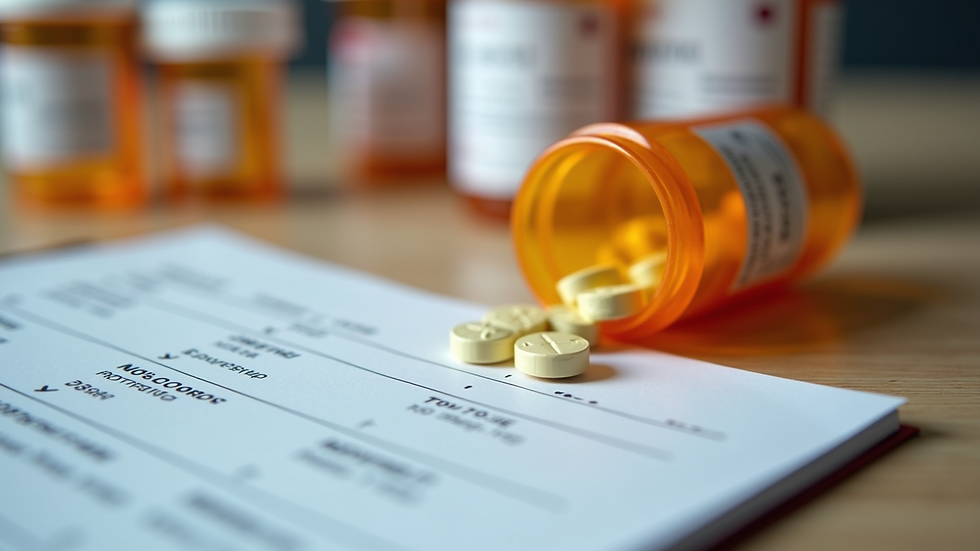
What Are the Stages of Substance-Induced Psychosis?
Substance-induced psychosis typically progresses through several stages. Recognizing these stages can help in early intervention and better outcomes.
Initial Use and Intoxication
At this stage, the individual experiences the immediate effects of the substance. Some may begin to notice mild changes in perception or mood.
Acute Psychotic Episode
This stage involves the onset of psychotic symptoms such as hallucinations, paranoia, and delusions. These symptoms can be severe and frightening.
Withdrawal and Early Recovery
As the substance leaves the body, symptoms may fluctuate. Some individuals experience worsening psychosis during withdrawal, while others begin to improve.
Post-Psychotic Recovery
With treatment, many people see a reduction in symptoms. However, some may continue to experience residual effects or develop chronic psychotic disorders.
Long-Term Management
Ongoing care is essential to prevent relapse and support mental health. This may include medication, therapy, and lifestyle changes.
Understanding these stages helps us provide timely and appropriate care, improving the chances of full recovery.
Practical Tips for Supporting Recovery from Substance Psychosis
Recovery from substance psychosis is a journey that requires patience, support, and commitment. Here are some practical tips that can make a difference:
Create a Safe Environment: Remove access to substances and reduce stressors that may trigger relapse.
Encourage Routine: Establishing regular sleep, meals, and activities helps stabilize mood and mental health.
Stay Connected: Support from family, friends, and support groups provides encouragement and accountability.
Monitor Symptoms: Keep track of any changes in behavior or mood and communicate with healthcare providers.
Promote Healthy Habits: Exercise, nutrition, and mindfulness practices can improve overall well-being.
Be Patient: Recovery takes time. Celebrate small victories and understand setbacks as part of the process.
By implementing these strategies, we can create a supportive environment that fosters healing and growth.
Moving Forward with Hope and Support
Living with substance psychosis can feel overwhelming, but it is important to remember that help is available. With the right treatment and support, individuals can regain stability and build fulfilling lives.
At Alaska Treatment Center, we are dedicated to providing comprehensive behavioral health services tailored to each person’s unique needs. Our goal is to expand access to cutting-edge treatment options and a continuum of care that supports lasting recovery.
If you or someone you know is struggling, reaching out for help is the first step toward a healthier, happier future. Together, we can navigate the challenges of substance psychosis and work toward lasting wellness.



Comments